- Home
- Custom
- No Parking
- Handicap Parking
- Reserved Parking
- Parking Lot
- Private Property
- Posts, Hardware & More
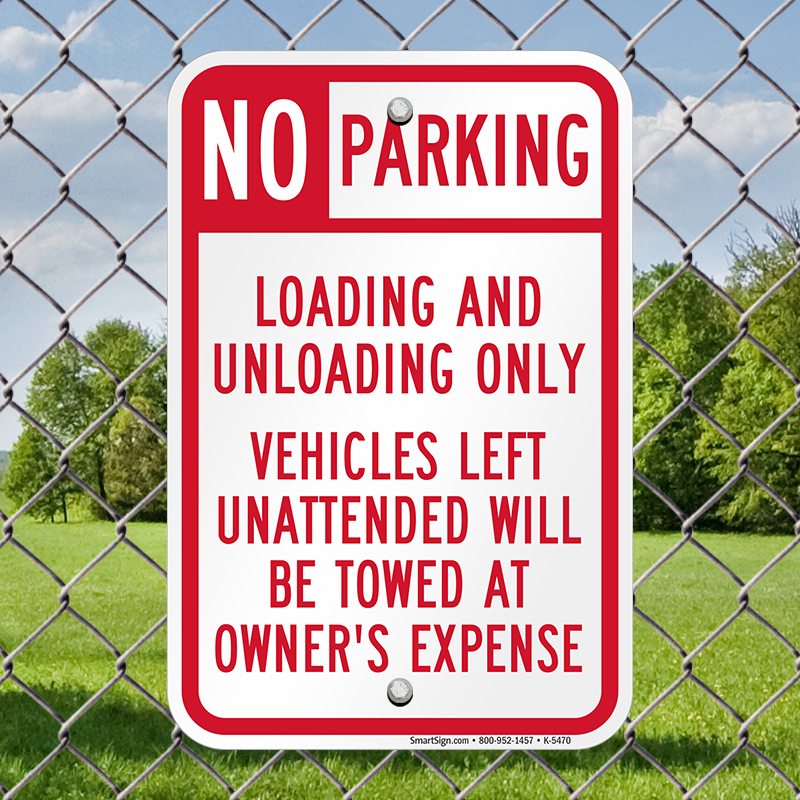
Loading zones are a region designated for rapid loading and unloading of materials. Parking in this area is only permitted for short periods of time, normally no longer than 30 minutes. Primarily this section is used by commercial vehicles holding the necessary permits. By providing a dedicated space for this short-term activity, these zones play a crucial role in keeping city streets, commercial parking areas, and residential complexes running smoothly and free of congestion.
Here is a breakdown of how loading and unloading zones function, how they are created, and why proper signage is so important.
Loading zones are strictly managed to prevent disorganization and traffic bottlenecks. Their primary features include:
Creating a loading zone requires a systemic approach. More often than not, merchants or building owners request these spaces through their local office to accommodate their business needs. To establish a loading zone, applicants must submit a completed application to their local city council, which weighs the benefits against potential traffic disadvantages.
Note: Issuing a loading zone is considered a privilege, not a right. Its implementation is carefully examined by city officials.
When planning a loading zone, officials and applicants must consider several factors:
Unloading zones operate precisely as the name implies—areas where trucks and vehicles can efficiently remove items. A prime example occurs during university move-in days when students are unloading heavy items into dorms:
The absolute best way to keep these zones clear, efficient, and free of congestion is through the implementation of clear Loading Zone Signs. These signs are necessary items to maintain control and allow drivers to get their jobs done.