- Home
- Custom
- No Parking
- Handicap Parking
- Reserved Parking
- Parking Lot
- Private Property
- Posts, Hardware & More
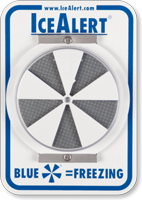
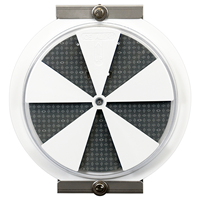
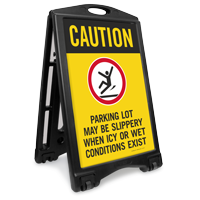
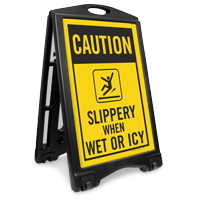
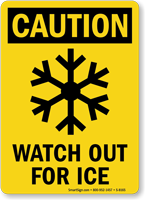
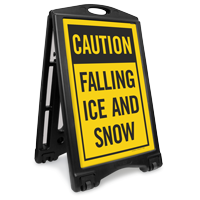
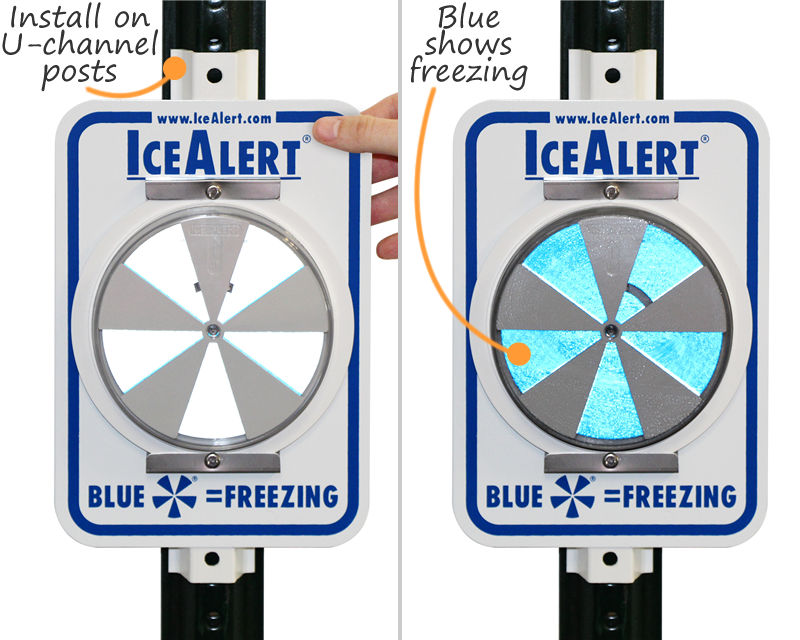
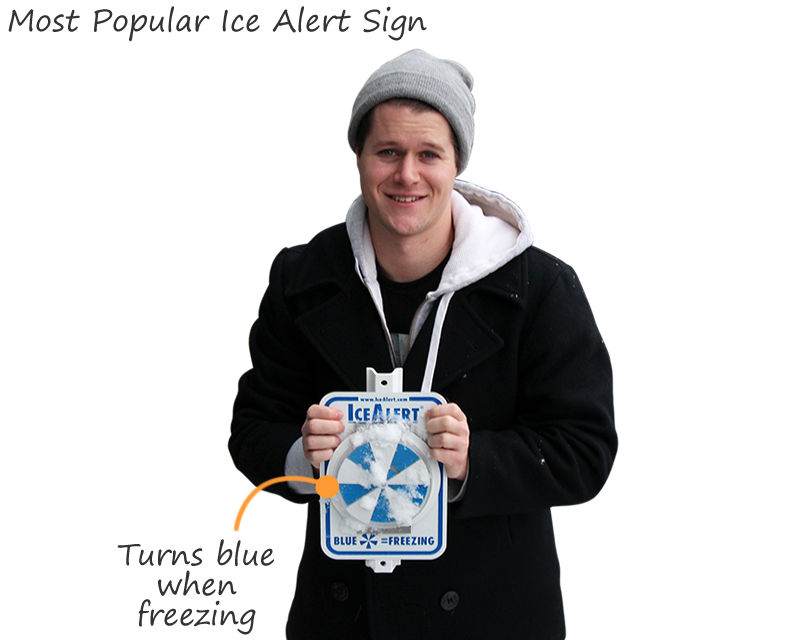
Made from medical-grade polycarbonate, the same material used to manufacture bullet-proof glass, the ice alert indicator is designed to withstand below-freezing temperatures without the indicator’s plastic shell cracking or breaking.
Additionally, the liquid-welded unit is 100% waterproof and protected from any sort of climate from forming on the inside of the plastic shell, thereby ensuring that the indicator wheel is always perfectly visible.
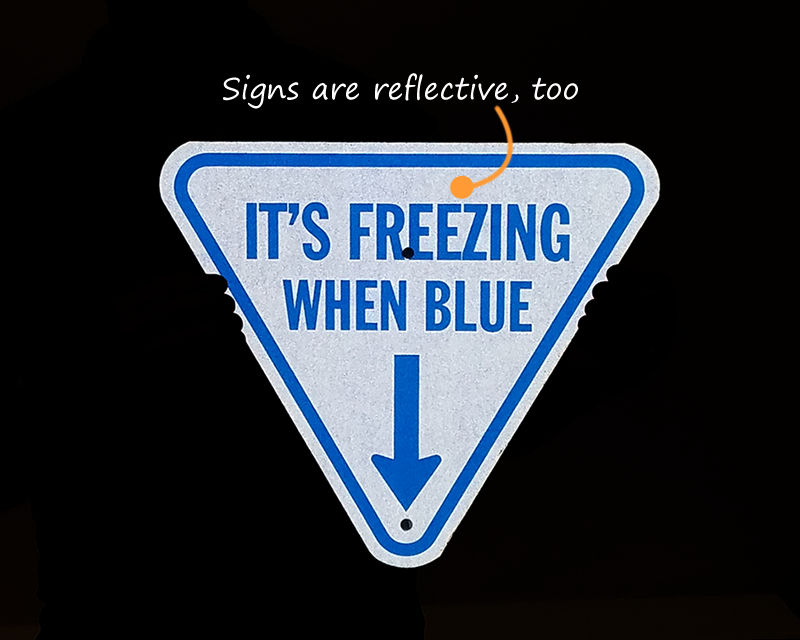
Our IceAlert Roadway Reflectors are designed to be placed on delineator posts in series to alert motorists of oncoming freezing road conditions and prevent accidents. These are not recommended for use by commercial properties but by state, city, and county governments for roadway use.
Our ice alert indicators and reflectors are designed to last for about 4-6 years and can last even longer if placed in a sheltered area i.e. safe from direct sunlight and other weather elements. These are covered by a two-year warranty.
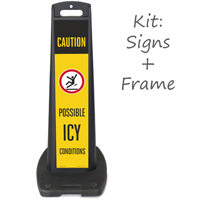
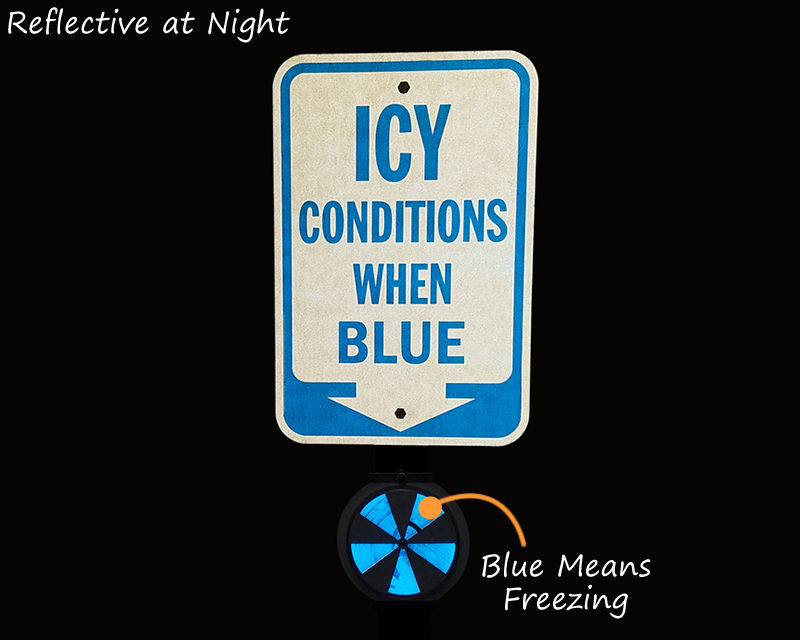
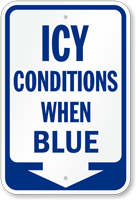
While the sign itself is self-explanatory, to further ensure that everyone understands the meaning, you can add the supplemental ice alert signs that are specifically designed to convey the functionality of the indicators and reflectors. These signs tell people that icy/freezing conditions prevail when the indicators/reflectors are blue.
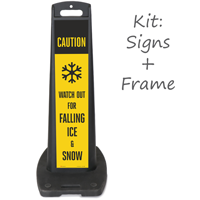
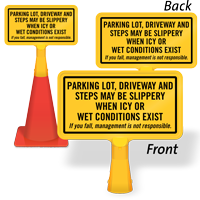
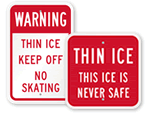
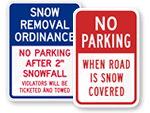
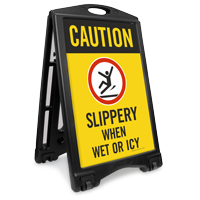
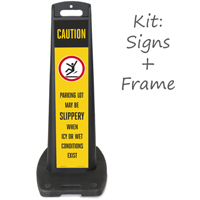
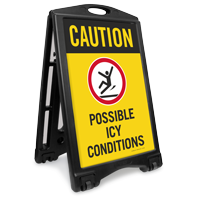
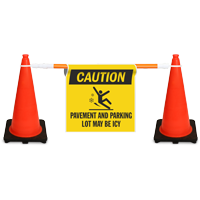
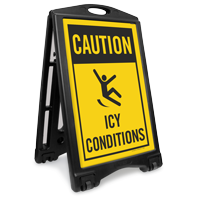
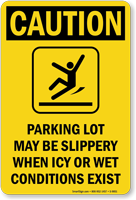
Ice alert signs are crucial to keeping workers, employees, customers, and visitors safe by communicating freezing conditions, icy pathways/driveways, and steps, and wet/slippery surfaces. These alert people and help in preventing winter weather-related accidents. These effective signage are crucial in preventing many personal injuries due to slips and falls as a result of ice.
We offer ice warning signs in three variations of reflectivity - engineer-grade, hi-intensity, and diamond grade - each promising better reflectivity than the prior. These reflective films ensure the signs are visible in the dark and in other low visibility conditions.
Workers working in winter weather with considerably low temperatures are often at the risk of cold stress. Cold stress is the condition that drives down the skin temperature and consequently the core body temperature, exposing the body to the possibility of several cold-related illnesses and injuries including permanent tissue damage and even death. Factors leading to cold stress and its effect on the body vary across regions based on winter tolerance, and it may manifest in the form of hypothermia, frostbite, and trench foot.
This OSHA guide provides detailed information on cold stress and how it can be prevented. This NIOSH Fast Facts sheet also provides some rather useful information about cold stress and how to protect oneself from it.
Working in cold conditions can lead to a variety of hazards if caution is not exercised. These hazards include the risks associated with cold stress, the risk of slipping and tripping on wet/icy surfaces, falling through ice, risk of electrocution or electric shocks while operating powered equipment, and driving on snow/ice-covered roads - the vehicle may skid or you may lose control of it.
These hazards can be prevented by taking proper precautions such as dressing in appropriate warm clothing, wearing snow-suitable footwear and walking carefully to avoid slips and trips, ensuring all powered equipment is properly grounded, and making sure that your vehicle is suitable for driving on snow/ice-covered roads. This OSHA resource provides a lot of useful information about staying safe during winters, and here you can find important information about working safely in ice alert conditions and cold weather . You should also follow the information provided by the CDC .
While there is no specific OSHA standard around working in winters, OSHA does provide several resources that cover everything from winter workplace hazards, precautions, and preparedness among others. It also identifies the employers’ duty to protect their workers from cold stress hazards as part of the OSH Act of 1970.
According to the National Institute for Occupational Safety and Health, employers should implement a cold-related illness and injury prevention program and implement preventive measures including engineering controls and work/rest schedules, train workers about cold-related workplace hazards, and provide workers with appropriate cold-weather gear. More details can be read on the CDC Website.
Similarly, OSHA’s winter workplace preparedness guidelines also focus on training workers, implementing engineering controls, and establishing safe work practices such as providing workers with appropriate tools and equipment, limiting outdoor time, scheduling jobs according to warmer and colder times of the day and pushing repair and maintenance tasks to warmer months, proving warm break areas and warm beverages, and so on.
There is no specific OSHA requirement for employers to provide workers with winter-specific PPE or clothing and other supplies such as skin creams, sunglasses, rubber boots, or other items. However, many employers do provide their workers with winter gear such as coats, jackets, and gloves as basic work necessities in cold weather.
Winter is coming. Watch out for extreme weather hazards, including freezing temperatures, blizzards, and slippery surfaces. Our ice alert signs warn employees, customers, and visitors of potential ice hazards. Ideal for parking lots.
Call our sales team at (800) 952-1457 and get your quote in minutes!
Mon - Fri 8:00am to 7:00pm EST
Friendly service. Fast, affordable shipping on over 15,000+ products.
Happy customers are our top priority.
Lowest prices online.
Orders over $14.95 ship free!
Can't find what you need? Our signs are customizable to fit your needs.
Stock products ship in 1 day.
You can't beat our standards. 3M warranty.
Best price guarantee. Fast, free shipping.