




Why Electric Vehicle Parking Signs Are Becoming Mandatory
The transition to electric mobility is no longer a future concept. It is happening now. As the number of electric vehicle charging stations grows to meet demand, property managers are facing a new challenge: regulating who uses them. Installing the hardware is only the first step.
According to emerging building codes and state laws, EV parking signs are shifting from a helpful courtesy to a strict legal requirement. Without clear electric vehicle parking rules posted, these expensive amenities often become blocked by gas-powered cars or occupied by fully charged EVs refusing to move.
Property owners must understand that a charger without a sign is virtually unenforceable. Learn more about the regulations behind mandatory EV charging station signs and the specific markers you need to keep your lot compliant and accessible.
What Are EV Parking Signs?
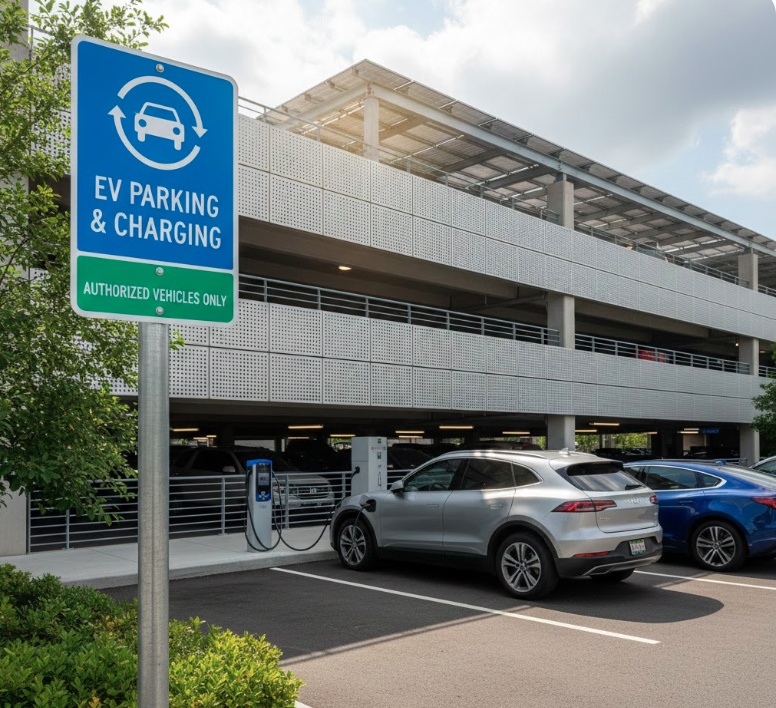
EV parking signs are regulatory markers that designate specific stalls for the exclusive use of electric vehicles while charging. They provide the legal authority to enforce parking rules and ensure station turnover. When outfitting your charging infrastructure, you will typically need:
Shop EV Charging Station Signs:
-
Time Limit Regulatory Signs (e.g., 2 Hour Limit)
3 Reasons Why EV Signs Are Becoming Mandatory
Building codes and municipal ordinances are catching up to technology. Here is why signage requirements for electric vehicle charging stations are becoming stricter.
1. Preventing “ICEing” and Enabling Enforcement
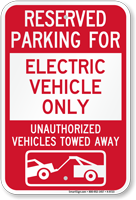
“ICEing” refers to an Internal Combustion Engine (gas) vehicle blocking an EV charging spot. It is the number one complaint among EV drivers. The Reality: In many states, including California, Florida, and Arizona, it is illegal to park a gas car in an EV spot. However, police and towing companies generally cannot enforce this law unless a compliant regulatory sign is posted at the head of the spot. Without the proper EV tow away sign, you have no legal standing to remove the offender.
2. Managing Turnover and Revenue
Charging stations are shared resources. If one tenant plugs in at 8:00 AM and leaves their car there until 5:00 PM, the station is dead to everyone else for the entire day. The Reality: To ensure ROI and availability, facilities are implementing EV charging station rules like “Active Charging Only” or “4 Hour Limit.” These policies must be clearly posted on signs to justify fines or idle fees. If the rule is not on the sign, it does not exist.
3. Meeting ADA Requirements for EV Charging Stations
Just like standard parking, electric vehicle charging stations must be accessible to drivers with disabilities. The Reality: The Americans with Disabilities Act (ADA) requires that a percentage of charging stalls be accessible, featuring wide aisles and level ground. These specific spots must be marked with ADA compliant EV signs featuring the International Symbol of Accessibility (ISA). Failing to sign the accessible charging stall opens the property owner to the same lawsuits as failing to sign a handicap parking space.
Tips for Effective EV Signage
-
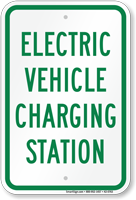
Use Standard Colors: While not as strictly regulated as traffic stops, Green is the universal industry standard for EV infrastructure. Using green and white signs helps drivers spot the charger from a distance.
-
Paint the Pavement: Signs can be missed if a large truck is blocking the view. Reinforce the message by painting the symbol of a plug or “EV ONLY” directly on the pavement in green or white stencils.
-
Include Towing Info: If you intend to enforce the spot actively, check your local towing ordinances. You usually need to include the towing company’s phone number on the bottom of the sign or at the lot entrance.
Incorporate the Right Signs Into Your Lot
As electric vehicles become the norm, managing your parking assets is critical. By installing clear, legal-grade EV signage, you ensure that your investment in charging infrastructure actually benefits your customers rather than becoming a source of frustration.
Read through some of the other articles published on our blog to get more expert advice on parking management and facility trends.
Frequently Asked Questions (FAQ)
1. Is it illegal to park a gas car in an EV spot?
A. In many states, yes, but signage is required. States like California, Massachusetts, and Arizona have laws prohibiting non-electric vehicles from parking in spaces designated for charging. However, these laws typically mandate that the space must be marked with a vertical sign indicating “EV Charging Only” for the law to be enforceable by police or parking enforcement.
2. What are the ADA requirements for EV charging stations?
A. A portion of the spots must be accessible. Under the ADA, if you provide a self-service facility like an EV charger, it must be accessible to people with disabilities. This generally means providing a van-accessible aisle and proper signage (featuring the wheelchair symbol) for a specific percentage of your total charging stations.
3. What is the standard color for EV parking signs?
A. Green and White is the industry standard. The Federal Highway Administration (FHWA) and general industry practice utilize Green to indicate “Alternative Fuel Vehicle” infrastructure. This distinguishes the spots from standard handicap parking (Blue) or emergency zones (Red).
4. Do I need signs for EV chargers on private property?
A. Yes, if you want to enforce rules. Even on private property, you cannot fine a user or tow a vehicle for “squatting” or blocking a charger unless there is clear signage stating the EV parking rules. Signs limiting parking to “Active Charging Only” are essential for maintaining station availability.
Related Posts
 The Lone Star State Raises Speed Limit on Interstate Highways
 Distracted Driving Month: Putting Texting in a Safer Context
 How parking garages and lots can LEEP ahead and up their revenue
 San Francisco conducts an in-depth parking census
 Remembering victims of traffic accidents worldwide
 Boston transit chief resigns amid snowstorm-related strife
Category: New Products